Something is off with your set. Maybe it is the nail that clicked against the countertop, or the fill appointment where the technician kept filing the same spot. Troubleshooting a set means working backward from the symptom to the cause, then deciding whether a fill fixes it or a fresh set does. This is the diagnostic version of that decision for clients in Huntersville, because guessing wrong costs you either money on a reset you did not need or weeks wearing a set that was already failing.
Symptom one: the gap at the cuticle is wide, but everything feels solid
Likely cause: ordinary growth, on the fast side of normal. Fingernails grow about three millimeters a month, but growth speeds up in summer, in your dominant hand, and on the middle fingers. If the product is flat, sealed at every edge, and the same color it was on day one, this is not damage, it is a calendar problem. Fix it yourself by doing nothing except moving the appointment up. A standard fill at two to three weeks restores the balance completely. No reset needed.
Symptom two: edges lift, catch hair, and snag on sweaters
Likely cause: the bond at the margin has failed, from water exposure, oils under the product, a knock you forgot about, or a fill that was stretched too long last time. Lifted edges trap moisture, and moisture under product is where discoloration starts. One or two lifted nails can be filed back to sound product and repaired at a fill. When lifting shows on most nails, or returns at the next fill in the same places, the foundation itself is contaminated or aged, and filling over it just buries the problem under fresh product. That is the reset line.
- Press each tip gently. A healthy set feels like one piece with your nail. Flex or movement at the base means the bond is going.
- Look across the nail in window light. Hairline cracks show as faint interruptions in the shine, usually across the stress point in the middle of the nail.
- Check the color through light product. Greenish, dark, or cloudy areas are non-negotiable: the set comes off and the bare nail gets inspected before anything new is discussed.
- Count problem nails. One or two suggest repairs at a fill. Four or more suggest the whole foundation has aged out.
- Ask what the technician sees during prep. Old product that files away chalky and brittle across every nail is telling you it has reached the end of its useful life.
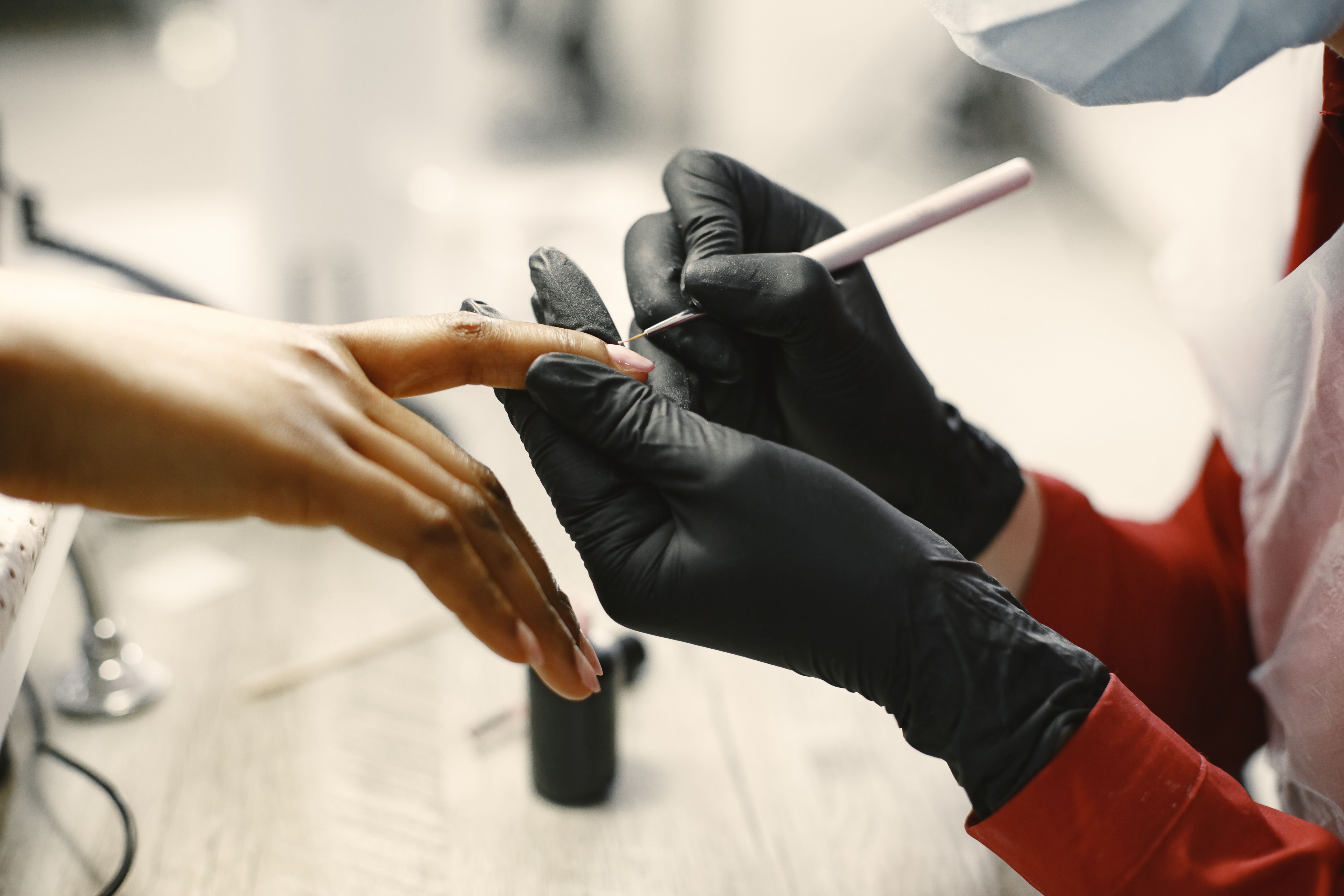
Symptom three: breaks keep happening at the same spot
Likely cause: the architecture is wrong for your length or your hands, not bad luck. A set built too thin at the stress point, or worn longer than your daily work allows, cracks in the same place because physics is consistent. Filling the crack without changing the structure repeats the break by the following week. The fix is either a rebuild with proper thickness at the stress area, a shorter length, or a different product, and a frank talk about what your hands actually do all day in Huntersville. If breaks follow a reset too, the product type itself may be the mismatch.
Symptom four: the set looks fine but feels thick and heavy
Likely cause: too many fills layered without enough of the old product being filed down between them. Each fill should refine the old surface before adding new material; skip that step repeatedly and the set slowly becomes a helmet. This one is a judgment call. A thorough fill with real filing can rescue it once. If the weight returns immediately, soaking off and starting at the right thickness is cleaner than filing your natural nail thin trying to compensate.
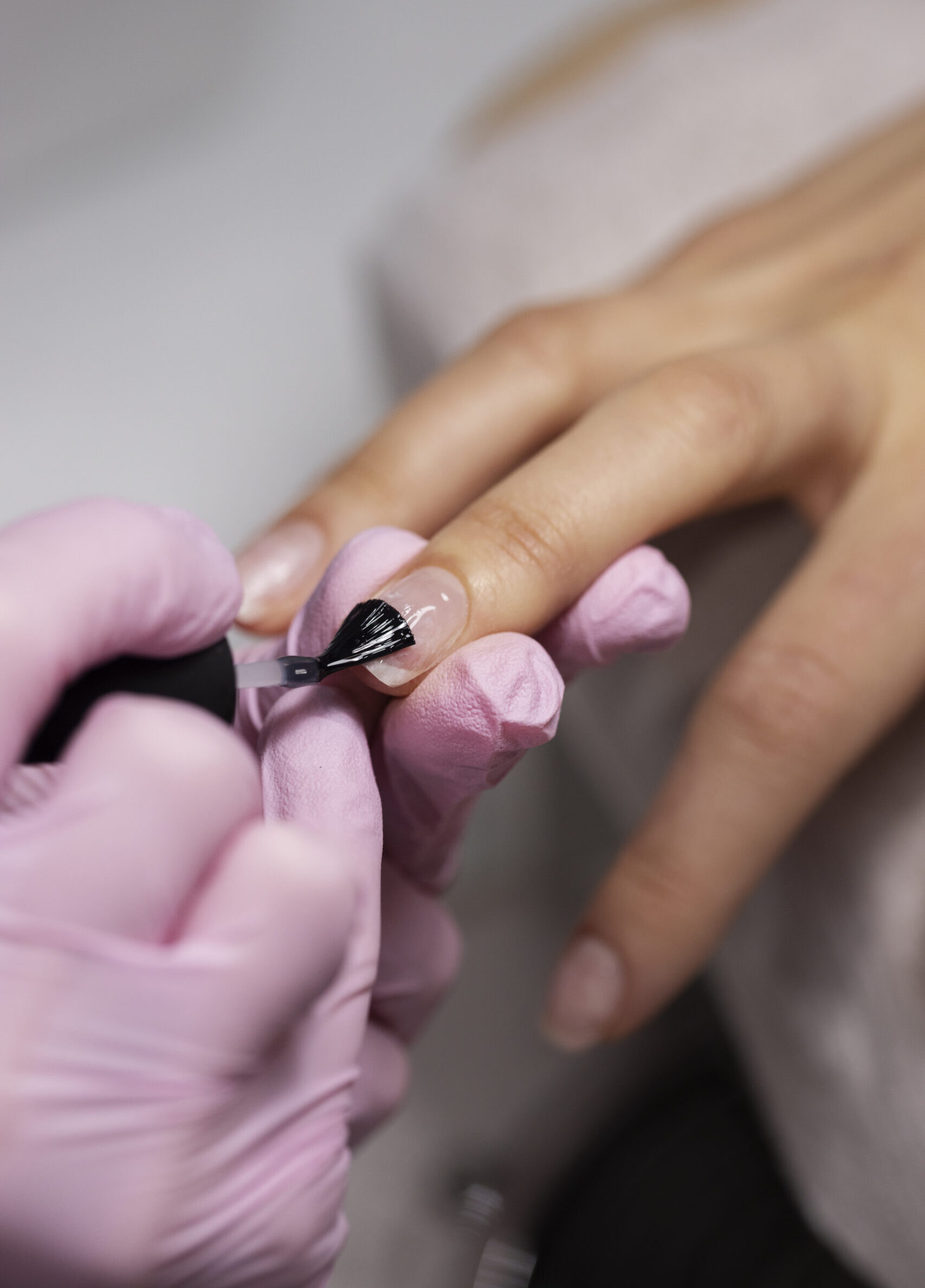
The decision, summarized
Fill when the foundation is sealed, sound, and the only issue is growth. Reset when lifting is widespread, color has changed under the product, cracks keep recurring in the same places, or the build has drifted far from its original shape. At Magnolia Nails, saying you are unsure which one you need is a perfectly good way to book; the diagnosis takes five minutes in the chair and beats paying for the wrong service.
Common questions
My set is five weeks old with no lifting. Can I still just get a fill?
Usually yes, but expect a longer appointment. Five weeks of growth means more rebalancing and filing, and any hidden lifting will show itself during prep.
Does soaking off a set damage my nails?
Done properly, with patience and no prying, a soak-off leaves the nail surface intact. Forced removal is what causes thinning and rough patches.
How often do most people end up resetting?
It varies with wear and growth, but many long-term clients reset every few months when repairs start stacking up, rather than on a fixed schedule.
Photos in this guide are representative stock images.
← All guides from Magnolia Nails← Back to Magnolia Nails