Nail biting is a habit loop, not a character flaw, and it responds to the same thing other loops respond to: friction at the moment of the habit and a reason to pause. A manicure routine adds both. Short, neat nails give your teeth nothing to work with, a smooth edge removes the snag that starts the whole sequence, and an appointment on the calendar quietly makes you protective of the result. Timing the routine to the seasons helps in Huntersville, because stress, dryness, and bare-hand versus glove weather all change when biting flares.
How the loop usually runs
It rarely starts with hunger for a nail. It starts with an irregularity: a rough edge, a lifted cuticle corner, a hangnail. Teeth go in to fix it, the fix makes it rougher, and the loop closes. Boredom, driving, screen time, and stress pour fuel on it, which is why biting clusters in cars, meetings, and late-night scrolling. A routine attacks the first link (nothing rough to find) and the last one (a result worth not undoing). It does not require willpower at the moment of temptation, which is exactly why it works better than resolutions.
Season by season in the Piedmont
Winter is the hard season. Indoor heat dries cuticles until they crack and lift, handing the loop fresh starting points daily, and cold-weather stress does the rest. Counter it with the shortest, neatest sets of the year, cuticle oil within reach of your desk and car, and appointments kept closer together. Spring brings pollen-season rubbing and fidgeting, plus a visible incentive: hands come out of gloves and into view, which for many biters is motivation enough to hold a streak. Summer helps naturally (humidity keeps cuticles supple), but travel and disrupted routines cause relapses; a pre-vacation manicure covers the highest-risk weeks. Fall is schedule season, back-to-school and work intensity, when stress biting returns; book the routine before the calendar fills, not after the damage.
The anti-biting setup: a seasonal checklist
- Keep nails short and filed smooth. Check weekly; any edge you can feel with a fingertip is an invitation. Short is the whole strategy.
- Book standing appointments. Every two to three weeks in hard seasons. A date on the calendar protects nails better than motivation does.
- Ask about bitter-tasting polish. A clear bitter coat is a common salon option that makes the habit taste like a mistake the instant it starts.
- Oil cuticles nightly in winter. Dry, lifted cuticles are the number one trigger. Thirty seconds with cuticle oil removes tomorrow's starting points.
- Keep a file where you bite. Car, desk, couch. When an edge snags, filing it in ten seconds breaks the loop at link one.
- Consider a short, smooth overlay during a high-stress stretch. A hard, rounded surface gives teeth nothing to grip and survives attempts that would shred bare nails.
What the salon part looks like
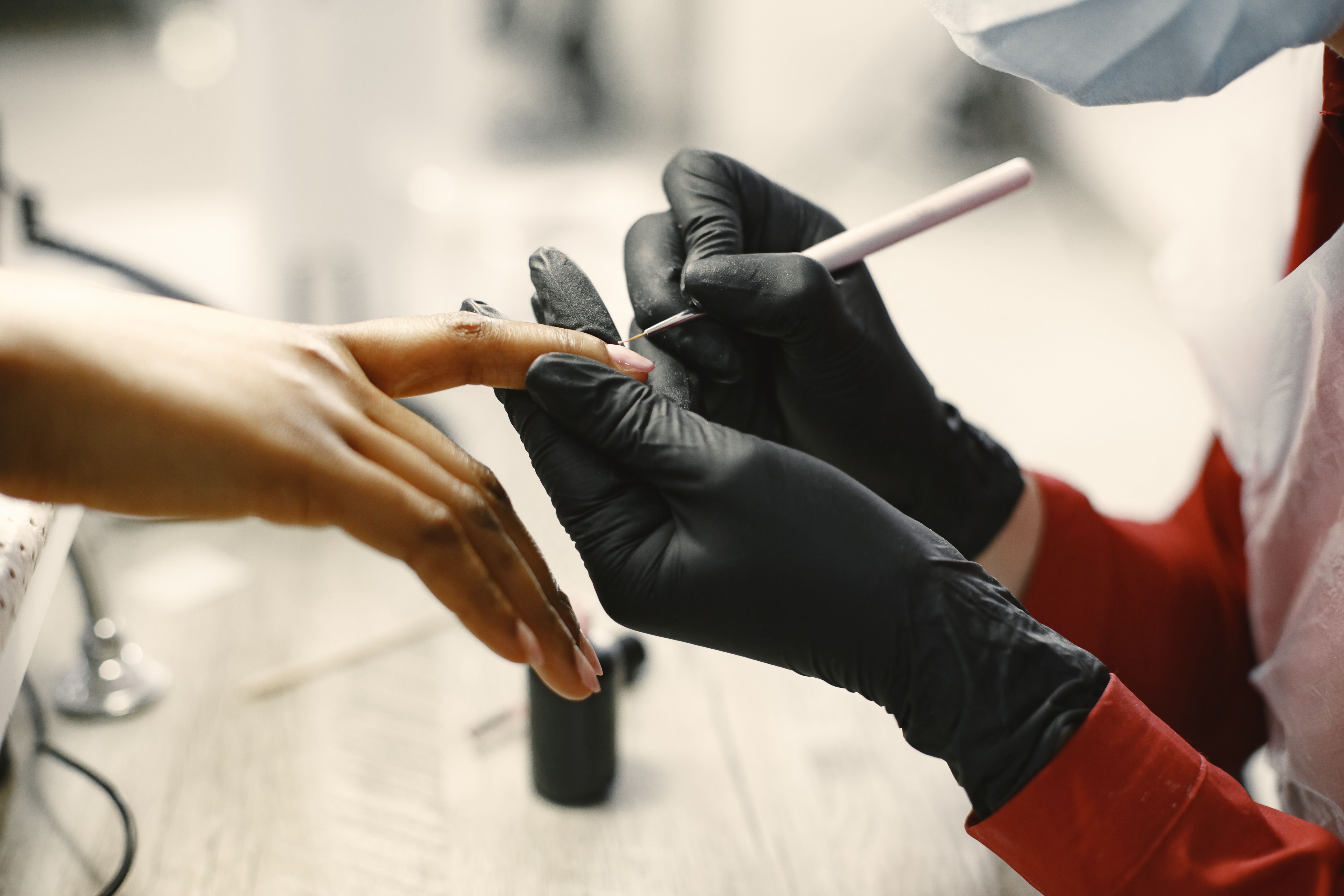
Tell the technician the truth; they have seen worse this week. The appointment for a biter is unglamorous on purpose: nails taken short and even, every edge filed until it runs smooth under a fingertip, cuticles tidied without cutting living skin, hangnails clipped cleanly so they stop asking to be torn, and a finish you will not pick at (matte and plain beats decorative while the habit fades). At Magnolia Nails, nobody is going to lecture you. The routine is the point, not a scolding.

Relapses and red flags
Relapses happen during travel, illness, and deadline weeks. Treat one as data (which season, which trigger) rather than failure, shorten the nails again, and restart the calendar. Two things are not salon territory: bitten skin that is infected, bleeding regularly, or painful, and a habit that feels genuinely out of control. Those deserve a doctor or therapist, and saying so is part of honest advice. For the common version, though, short nails plus smooth edges plus a standing appointment wins most of the year.
A word about kids and partners
The same routine helps a partner or teenager who bites, with one condition: it has to be offered, not imposed. A standing appointment presented as a fix for a flaw lands as criticism; the same appointment framed as ordinary grooming, the way haircuts are ordinary, tends to stick. Keep the focus on smooth edges and tidy hands, and let the habit fade as a side effect.
Common questions
Will a manicure look strange on very short, bitten nails?
No. Short and tidy reads as deliberate, not damaged. Most people are surprised how much better their hands look after one careful cleanup.
Does bitter polish actually work?
For many people, yes, as a pattern interrupt. It does not cure the urge, but it makes you conscious of the habit at the moment it starts, which is often enough.
How long until I see a difference?
Edges smooth out in one appointment, and visible nail length improves within a few weeks of not biting, since fingernails grow about three millimeters a month.
Photos in this guide are representative stock images.
← All guides from Magnolia Nails← Back to Magnolia Nails